
presents

Materials North America
Copper and Brass Sales
How Materials Drive Patient Safety in Medical Devicesby Michael Shaffer
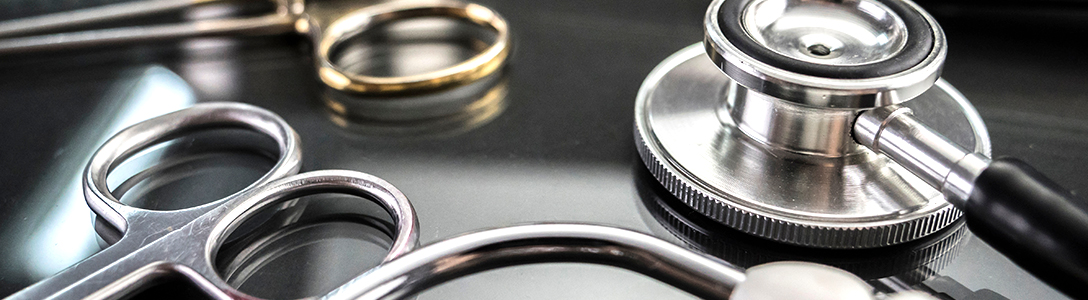
When patients walk into a hospital or clinic, they place their trust in more than just doctors and nurses. Behind every diagnosis, incision, and life-saving intervention lies a network of precision-engineered tools and technologies, each made possible by the materials that form their foundation. From surgical instruments and implants to diagnostic machines and life-support systems, stainless steel provides the structural and functional backbone of modern medicine.
Stainless steel has become indispensable to healthcare for one critical reason: it performs reliably in environments where failure is not an option. Engineered for strength, sterility, and biocompatibility, stainless steel ensures the tools medical professionals depend on to be as safe and effective as the procedures they perform.
The Backbone of Medical Reliability
Stainless steel has long been a cornerstone of medical device manufacturing. Since its introduction to the healthcare field in the early 20th century, it has proven its value through unmatched corrosion resistance, mechanical strength, and the ability to endure repeated sterilization cycles. Classic surgical tools such as scalpels, forceps, and retractors owe their longevity and performance to this resilient material.
As healthcare technologies evolve, so do the performance demands placed on materials. Today, stainless steel serves in an expanding range of applications, from traditional surgical instruments to implantable devices, orthopedic supports, and minimally invasive tools. Its adaptability across extreme environments, from high-temperature autoclaves to the chemically dynamic conditions of the human body, stainless steel continues to be one of the most trusted materials in modern medicine.
Why Stainless Steel Is Critical to Patient Safety
Its distinctive chemical makeup is what gives stainless steel its remarkable performance. Its corrosion resistance, essential in contact with bodily fluids and sterilizing agents, is due to a self-healing chromium oxide layer that protects the surface from degradation. Alloying elements like nickel and molybdenum further enhance resistance in acidic and chloride-rich environments such as blood, saline, and disinfectants.
These properties ensure that stainless steel maintains its mechanical integrity under stress and resists biological degradation over time. That makes it equally effective in two vastly different medical applications: permanent implants that remain in the body and reusable instruments that must perform consistently over hundreds of sterilization cycles.
Engineering Precision into Every Device
The journey from raw stainless steel to fully functional medical devices involve far more than material selection. Every stage of the process must meet stringent standards designed to safeguard patient outcomes.
Material traceability is foundational. Certifications such as ISO 13485 help ensure quality control throughout the manufacturing process, while non-destructive testing methods, including ultrasonic inspection, detect internal flaws or inclusions that could compromise performance. These practices confirm that the material meets not only regulatory expectations but also the high demands of real-world clinical environments.
Once verified, manufacturers shape the material through advanced manufacturing techniques such as CNC machining and centerless grinding, which enable the production of components with ultra-tight tolerances and smooth surface finishes. These qualities are essential for instruments like guidewires, cannulas, and needles - tools that must function with complete predictability.
Surface treatments like passivation and electropolishing take performance a step further. These processes enhance corrosion resistance, reduce ion release, and minimize bacterial adhesion; essential attributes for both implantable and reusable devices. Emerging technologies such as bioactive coatings are pushing material performance even further by promoting tissue integration and lowering the risk of rejection, accelerating healing, and improving clinical outcomes.
Life-Saving Medical Applications of Stainless Steel
Stainless steel plays a foundational role across the full spectrum of care, from surgery to recovery. Its mechanical strength, chemical resistance, and compatibility with the human body enable it to meet the complex needs of both patients and practitioners.
Tools of Precision: Surgical Instruments and Devices
In surgical instruments and related devices, stainless steel delivers the strength and wear resistance required for high-pressure, high-precision procedures. Grades like 440C are often used in components such as drill bits, screwdrivers, surgical guides, and taps due to their exceptional hardness and edge retention. These properties are critical in orthopedic and spinal surgeries where even minor deviations can significantly impact outcomes. Manufacturers use stainless steel in surgical staples and fixation devices, where mechanical integrity and sterilization resistance are non-negotiable.
Built for the Body: Implantable Stainless Steel Components
Stainless steel is equally critical in implantable medical devices. Austenitic grades such as 304 and 316 are frequently chosen for implants placed in the spine, knees, hips, jaw, and other areas of the body. These grades offer excellent formability and resistance to bodily fluids, ensuring performance over extended periods. In orthopedic applications, manufacturers use stainless steel to construct bone screws, plates, and joint replacements that must withstand dynamic physiological loads. Engineers favor molybdenum-enhanced 316 for its resistance to aggressive tissue environments and its long-term durability.
The Machinery Behind Medicine: Equipment and Support Structures
Beyond the tools that make direct patient contact, stainless steel also plays a vital role in medical machinery and support equipment. It’s used in structural components for surgical robotics and diagnostic systems, as well as hospital infrastructure like IV poles, instrument trays, and sterilization containers. Its ease of cleaning, resistance to chemical disinfectants, and long lifecycle make it a practical and hygienic choice for equipment used daily in clinical environments.
In all these applications, stainless steel helps ensure the safety, consistency, and effectiveness of modern medicine. Whether forming the edge of a scalpel or the core of a spinal implant, its engineered properties support both innovation and reliability in care delivery.
Material Science at the Core of Patient Care
Stainless steel is more than just a high-performing metal; it is a critical enabler of patient safety. Its strength, durability, and biocompatibility make it uniquely suited to the increasing demands of today’s medical landscape - where precision, sterility, and reliability are essential.
As medicine becomes more advanced and personalized, the materials behind the scenes must evolve in tandem. Stainless steel will continue to be foundational in the development of safer, smarter medical devices that improve outcomes and enhance the patient experience.
Partnering for Safer, Smarter Solutions
At Copper and Brass Sales, we are proud to support the healthcare industry with high-performance stainless steel engineered for the most demanding medical applications. Backed by rigorous quality assurance, advanced processing capabilities, and deep materials expertise, we help OEMs and medical device manufacturers bring safer, more effective solutions to life.
Contact us today to learn how our stainless steel solutions can support your next medical innovation.
Have Questions? We’re Here to Help
Need more details about the materials, products, or services on this page? Fill out the form below, and one of our experts will provide the answers you’re looking for. Whether you need a custom quote or guidance on the right material for your project, we’re ready to assist.
