
presents

Materials North America
Copper and Brass Sales
Powering the Future: How Copper Supports AI, Data Centers, and Emerging Technologiesby Mark Kowalski and Tom McClenahan

As artificial intelligence (AI) and cloud technologies transform industries, the energy demands of data centers are surging at an unprecedented pace. Meeting these demands requires efficient, reliable power solutions—and copper, with its unmatched conductivity and versatility, is at the forefront of this transformation. From ultra-thin foils in electronics to thick busbars in large-scale power systems, copper is enabling innovation, efficiency, and sustainability across the digital landscape.
Years ago, copper mills anticipated a growing demand for thinner, smaller copper materials to support the miniaturization of electronics. While this prediction proved true, today’s landscape is more complex than anticipated. Both thin and thick copper materials are now essential to supporting a wide array of innovative technologies. Copper, renowned for its exceptional conductivity and versatility, has become indispensable across industries, playing a pivotal role in powering everything from miniature electronics to large-scale data centers.

For instance, in lithium-ion batteries, thin copper foil acts as a critical element in enhancing battery performance. Its superior conductivity allows for faster charging times and greater energy storage capacity, both of which are critical to the future of electric vehicles and portable electronics. Additionally, in flexible displays and PCBs, thin copper enables manufacturers to produce lighter and thinner products without compromising functionality. With copper playing such a crucial role in the electronics space, it is no surprise that demand for thin copper is projected to keep increasing.
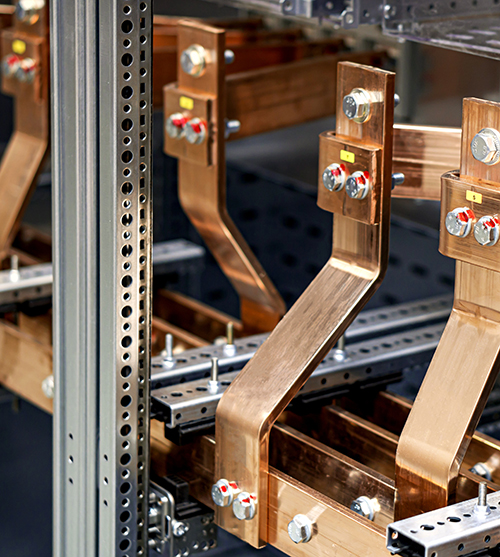
As AI continues to evolve, the role of thick copper in power distribution becomes even more crucial. For example, AI-driven systems process vast amounts of data at lightning speed, generating massive amounts of heat in the process. Without the heat management properties of copper, these systems would be unable to operate at optimal levels. Thick copper materials help prevent heat generation while ensuring electrical systems remain stable via improved heat dissipation (heat transfer), both of which maximize efficiency and reduce the risk of outages. A tremendous benefit to all of us, with our dependence on power stability in our industries and in our lives.
The Relentless Surge of AI and Data Center Energy Demands
Many may view AI as a trend or buzzword, but it is far from that. AI is driving monumental shifts across industries, transforming how businesses operate and enabling innovation on an unprecedented scale. From autonomous vehicles to predictive analytics, AI’s potential seems limitless. However, one of the biggest challenges AI faces is its vast appetite for energy. AI requires immense computational power to process large data sets, conduct analytics, and support machine learning algorithms. These demands are fueling exponential growth in data generation.
According to Goldman Sachs Research, data center power demand is projected to grow by 160% by 2030, potentially increasing from the current 1-2% to 3-4% of global power consumption. This surge in energy consumption presents significant challenges for sustainability and energy infrastructure. Data centers are becoming major consumers of electricity, with some facilities requiring as much power as small cities. This escalating demand underscores the need for efficient power distribution solutions to mitigate environmental impacts.
Copper is uniquely positioned to address these challenges. Both thick and thin copper materials help optimize energy transmission, ensuring that power is delivered efficiently within these data centers while reducing energy loss. This not only helps improve the energy efficiency of data centers but also reduces their environmental footprint, a growing concern for tech companies worldwide as they strive to meet sustainability goals.
As AI technologies continue to advance, so will the energy demand of data centers, making copper’s role in power infrastructure even more critical.
By improving energy efficiency and reducing power loss, copper materials help address the environmental concerns of large-scale data centers while supporting tech companies' commitments to greener infrastructure.

Moreover, the push toward electric and autonomous vehicles is another area where copper is making its mark. Electric vehicle (EV) motors, charging stations, and battery systems all rely heavily on copper to facilitate power transfer and improve energy efficiency. As the adoption of EVs accelerates, driven by both consumer demand and regulatory shifts toward sustainability, the global requirement for copper will increase dramatically.
Telecommunications, too, continues to demand large quantities of copper, especially as 5G networks are rolled out around the world. Copper’s high-frequency performance and durability make it a key component in the development of 5G infrastructure, enabling faster, more reliable connections in both urban and rural areas.
As the demand for data centers and cloud computing services escalates, it directly increases the pressure on the energy resources required to sustain them. This growing requirement needs a strategic shift towards innovative and sustainable energy solutions. The sourcing of alternative power sources and the integration of robust backup systems are critical in maintaining the uninterrupted functioning of these infrastructures. Transferring power to compensate for the changes in load demand will require copper connectors and resources to ensure efficient uninterrupted power transmission.
High-Performance Metals: Pioneering Efficient Power Transmission
In hyperscale data centers, where energy loads are immense, the use of high-purity copper grades, such as C101, C102, and C110 have emerged as industry leaders due to their superior electrical conductivity and durability. These copper grades are essential in fabricating components that can efficiently transmit the significant power loads required for AI-driven technologies, data storage operations, and other energy-intensive applications. Copper’s minimal resistance during transmission reduces energy loss, which is crucial as energy efficiency becomes an even more pressing concern for industries around the globe.
As power infrastructure continues to evolve to meet the demands of emerging technologies, advancements in copper processing techniques will also continue to enhance copper’s capabilities. Today’s high-purity copper grades excel in high-frequency applications, ensuring the smooth operation of AI systems, cloud servers, and IoT devices. In the future, these innovations will play a significant role in optimizing power delivery systems for the digital economy.
A Future Powered by Copper
As AI, big data, cloud computing, and IoT technologies continue to shape the future, copper will remain a cornerstone of the global power infrastructure. From ultra-thin foils powering next-generation electronics to thick copper materials ensuring reliable energy transmission in data centers, copper’s unmatched versatility and efficiency will be critical in meeting the power needs of the digital age.
Looking ahead, innovations in copper processing techniques will continue to drive energy efficiency in emerging infrastructure like renewable energy-powered data centers and electric grid systems. As the digital economy expands, copper’s unmatched versatility will remain central to enabling technologies that shape a more sustainable, connected world. At Copper and Brass Sales, we enable our customers to accelerate performance and increase value by delivering high-quality copper solutions that support the evolving needs of power infrastructure, ensuring businesses stay competitive and future-ready.
Ready to optimize your power distribution systems with high-performance copper solutions? Contact Copper and Brass Sales today to discover how we can help you accelerate performance and meet the demands of emerging technologies.
References:
Goldman Sachs. (2025, February 4). AI to drive 165% increase in data center power demand by 2030. Retrieved from https://www.goldmansachs.com/insights/articles/ai-to-drive-165-increase-in-data-center-power-demand-by-2030
Have Questions? We’re Here to Help
Need more details about the materials, products, or services on this page? Fill out the form below, and one of our experts will provide the answers you’re looking for. Whether you need a custom quote or guidance on the right material for your project, we’re ready to assist.



Regulatory Impacts on Metals Used in Power Distribution
Regulations are reshaping the metals used in power distribution, prioritizing sustainability, efficiency, and safety. Learn how evolving standards influence material choices and what it means for the future of energy transmission...
Accelerating Data Center Expansion with Custom Kitted Solutions: A Case Study
A global cloud provider built data centers faster with custom kitted metal solutions. Our pre-packaged copper bus bars significantly reduced labor time, cut costs, and kept projects on schedule...